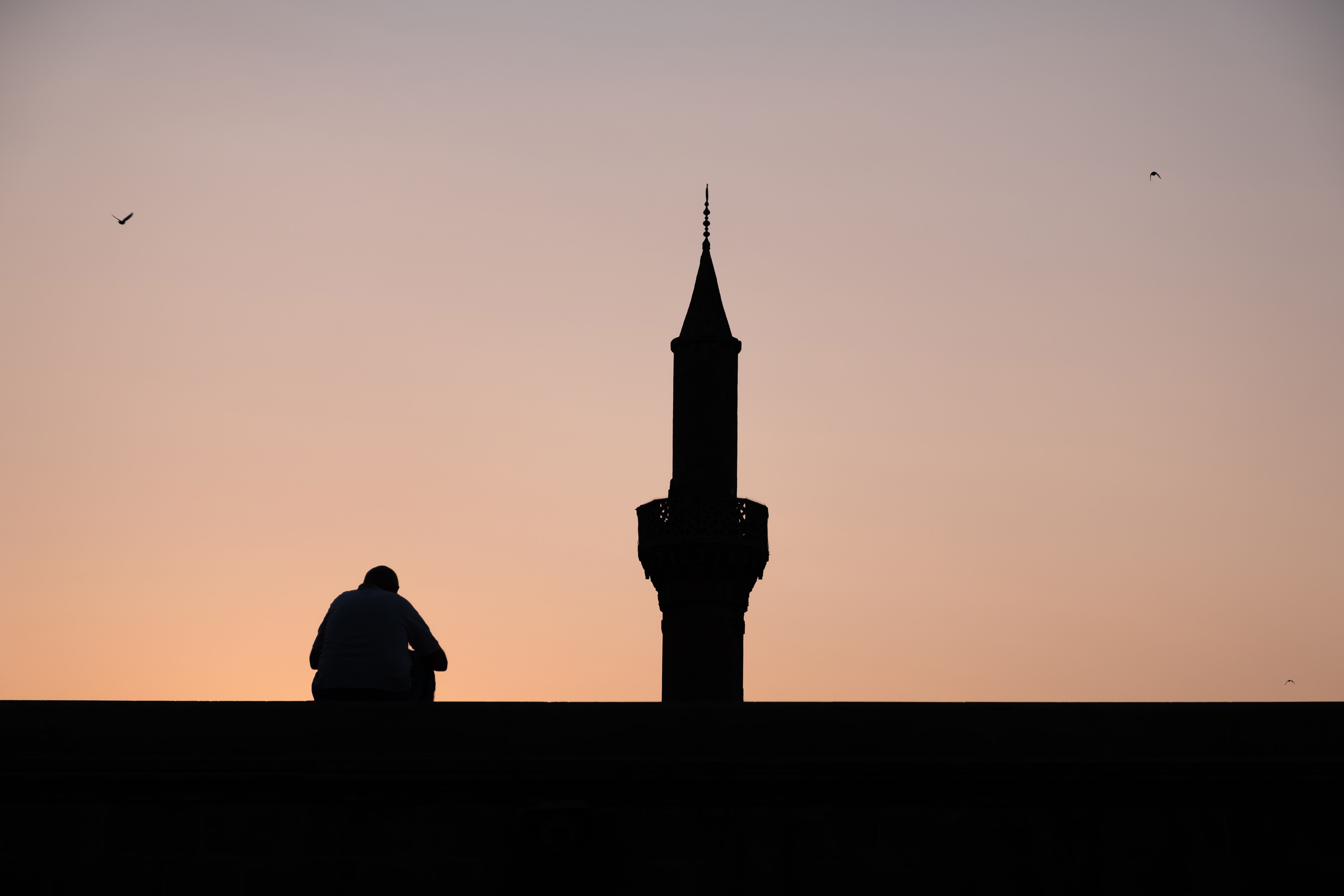
"Allāhumma arinā al-ḥaqqa ḥaqqan warzuqnā ittibā'ahu…" is a dua for clarity: asking Allah to show you what's true so you can follow it, and what's false so you can avoid it. It's a fitting dua for moments when opinions and noise make it hard to tell the two apart.
Why This Dua Matters
We live in a time of noise. Opinions arrive faster than we can process them. Every scroll brings another certainty, another version of events. And somewhere in the middle of it all, the sincere believer asks a quiet question: what is actually true? And am I actually living by it?
Jumu'ah is a pause in that noise, a reminder that clarity is not found by searching harder, but by asking Allah (SWT) to give it to you. This dua doesn't ask to be protected from a confusing world. It asks for the eyes to see clearly inside one. That is a harder and more honest request.
The Dua in Arabic, Transliteration & Translation
Arabic
اللَّهُمَّ أَرِنَا الْحَقَّ حَقًّا وَارْزُقْنَا اتِّبَاعَهُ، وَأَرِنَا الْبَاطِلَ بَاطِلًا وَارْزُقْنَا اجْتِنَابَهُ
Transliteration
Allāhumma arinā al-ḥaqqa ḥaqqan warzuqnā ittibā'ahu, wa arinā al-bāṭila bāṭilan warzuqnā ijtinābahu.
“O Allah, show us the truth as truth and grant us the ability to follow it, and show us falsehood as falsehood and grant us the ability to avoid it.”
How to Make This Dua Part of Your Week
When the world asks you to take a side before you've taken a breath
Not every urgent question deserves an instant answer. Say this dua before you speak, share, or decide, and let clarity be something you ask for, not something you assume you have.
When you sense a gap between what you believe and how you're living
Most of us don't struggle to know what is right: we struggle to do it. This dua names that gap honestly, and asks Allah (SWT) to close it.
When you're ready to act on what you already know
Let your sadaqah this Friday be the moment you stop meaning to and simply do.
Frequently Asked Questions
What does "Allahumma arina al-haqqa haqqan" mean?
It means "O Allah, show us the truth as truth," the first half of a dua asking for both clear sight and the ability to act on what you see, for truth and for falsehood alike.
When should I say this dua?
Whenever the amount of information or opinion around you makes it hard to know what's actually true, before making a decision, sharing something online, or forming a strong opinion.
Is this dua authentically from the Prophet ﷺ?
It's attributed to the Prophet ﷺ and recorded by al-Bazzār and others. Its chain of narration is weaker than some of the other duas in this series, but it has still been passed down and used by scholars as a supplication for clarity between truth and falsehood.
Share with someone who needs this