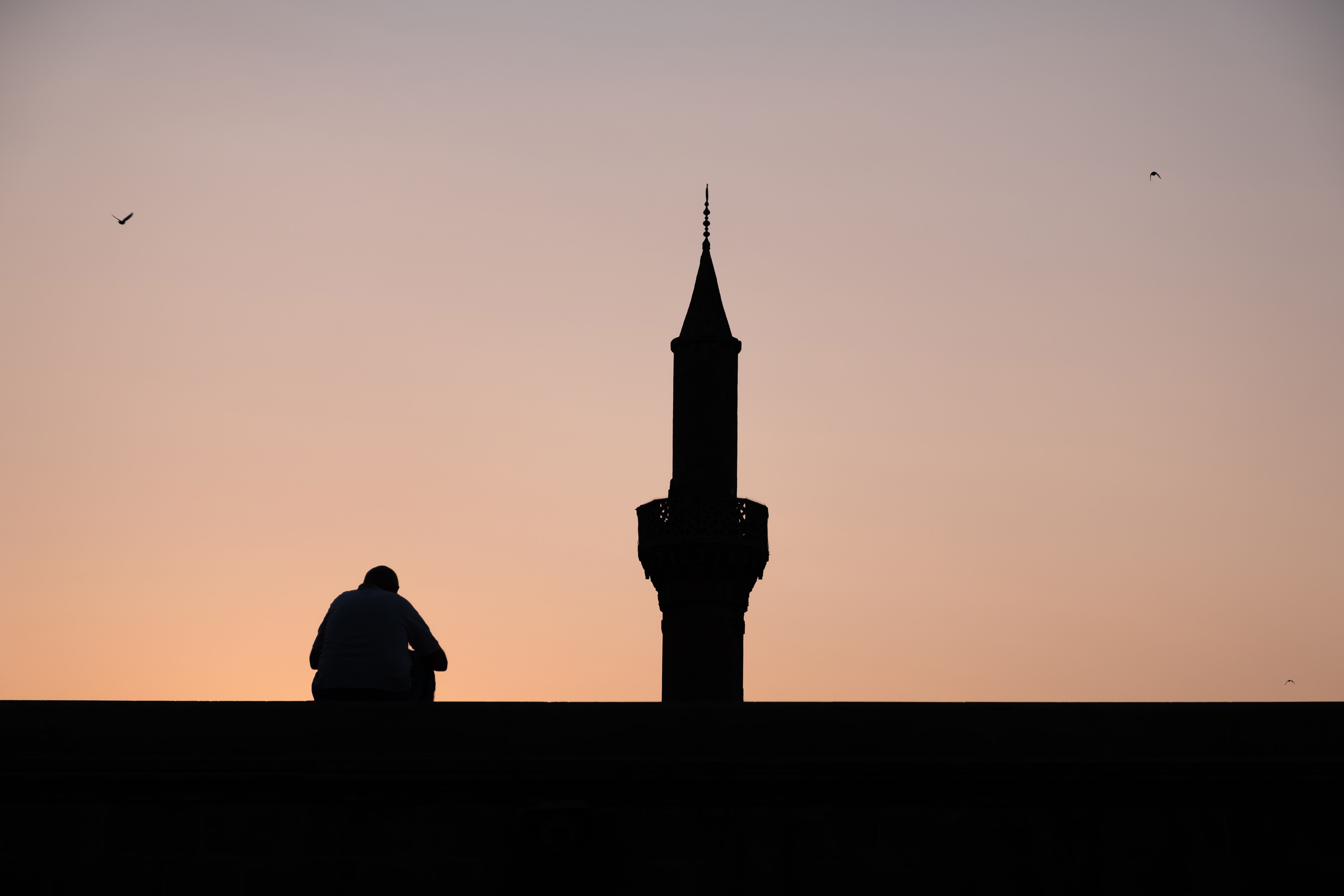
"Allāhumma innī as'aluka al-thabāta fil-amri…" asks Allah for steadfastness, determination on the right path, gratitude and excellence in worship: four qualities for the waiting period between making a dua and seeing its answer. It's recorded in Sunan al-Nasā'ī (1305).
Why This Dua Matters
Every believer knows the space between the dua and the answer. It's not an empty space, though it can feel that way. The scholars tell us one of three things comes after asking: the request is granted as asked, exchanged for something better, or stored for the believer on the Day of Judgement in a form more valuable than what was asked for.
All three require the same thing from the one who asked: to keep asking, and to trust the One who decides which of the three applies. This dua doesn't ask for the answer: it asks to be made worthy of the waiting.
The Dua in Arabic, Transliteration & Translation
Arabic
اللَّهُمَّ إِنِّي أَسْأَلُكَ الثَّبَاتَ فِي الْأَمْرِ وَأَسْأَلُكَ عَزيمَةَ الرُّشْدِ وَأَسْأَلُكَ شُكْرَ نِعْمَتِكَ وَحُسْنَ عِبَادَتِكَ
Transliteration
Allāhumma innī as'aluka al-thabāta fil-amri wa as'aluka 'azīmata al-rushdi wa as'aluka shukra ni'matika wa ḥusna 'ibādatik.
“O Allah, I ask You for steadfastness in my affairs, determination upon the right path, gratitude for Your blessings, and excellence in worshipping You.”
How to Make This Dua Part of Your Week
When the waiting is longer than you expected
Steadfastness doesn't mean certainty about the outcome. It means staying in the asking, not drifting away because the answer hasn't arrived yet.
When the right path and the faster path are not the same
This dua asks for the resolve to know the difference and take the right one anyway.
When your giving this Friday is an act of trust in what hasn't arrived yet
Sadaqah is one of the most direct expressions of tawakkul: releasing something from your hand in trust that Allah (SWT) receives it and responds.
Frequently Asked Questions
What does "Allahumma inni as'aluka al-thabata fil amr" mean?
It means "O Allah, I ask You for steadfastness in my affairs," the opening of a four-part dua that also asks for the right path, gratitude, and excellence in worship.
When should I say this dua?
During any period of waiting, for an answer to a dua, a decision to unfold, or a situation to resolve, when staying steady is harder than the waiting itself suggests.
Where does this dua come from?
It's recorded in Sunan al-Nasā'ī (hadith 1305), classed as ṣaḥīḥ (authentic).
Share with someone who needs this