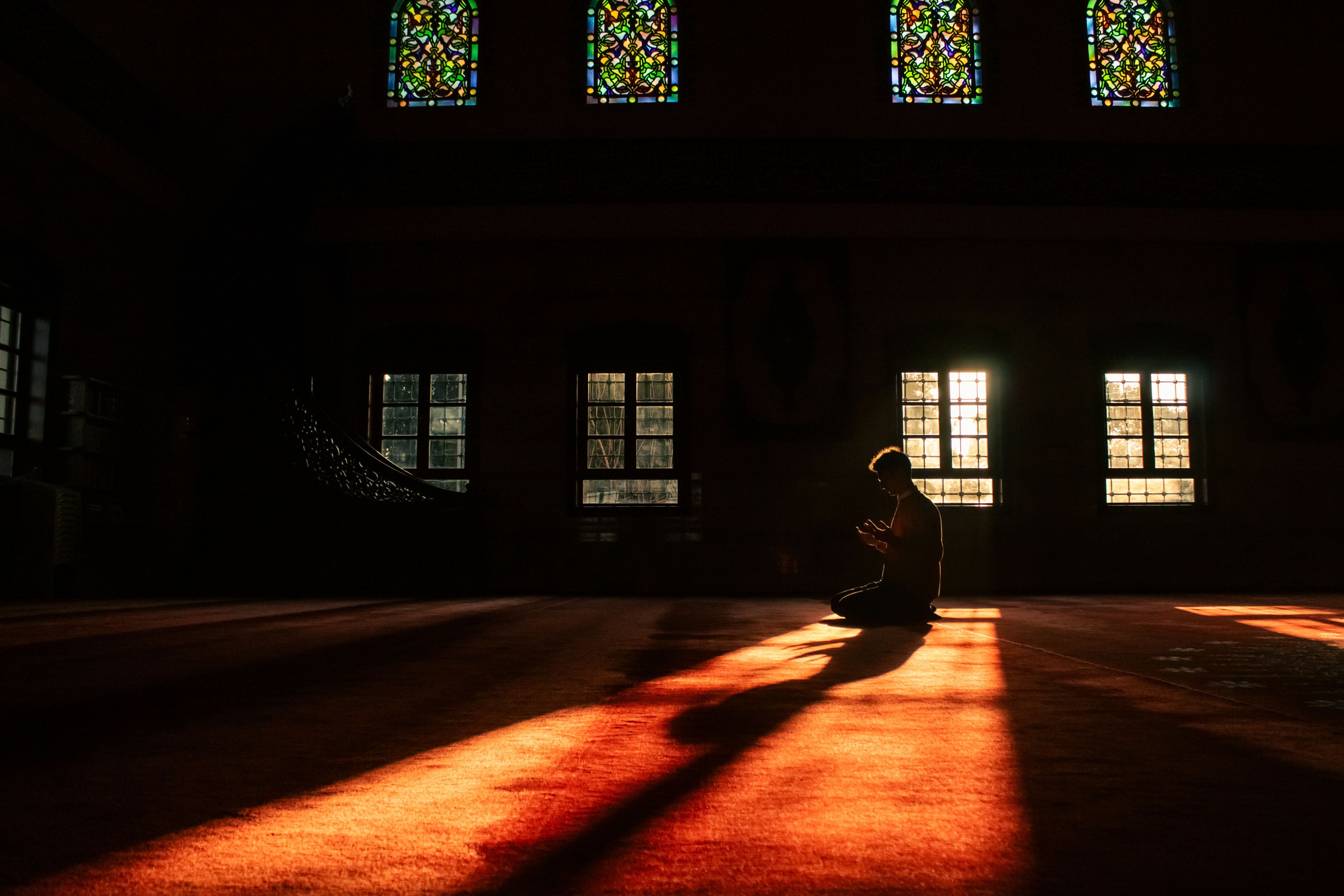
"Rabbanā wa lā tuḥammilnā mā lā ṭāqata lanā bih…" is a dua to say on someone else's behalf: asking Allah to keep their burden within what they can bear, to pardon them, and to have mercy on them. The Prophet ﷺ said a dua made for someone without their knowledge is among the most likely to be accepted.
Why This Dua Matters
There is always someone in the room who is holding something alone, not because the people around them don't care, but because the thing they're carrying doesn't have a visible form. It's the grief that passed its public mourning period but hasn't yet ended. The fear about something that hasn't yet happened. The private worry that sits in a place no one else has access to.
The Prophet (PBUH) told us that the dua of a Muslim for their brother or sister is among the most likely of all to be accepted, because it's entirely free of self-interest, and Allah (SWT) loves what is free of self-interest.
Said for someone else, this dua is an act of complete selflessness and care. You're not just asking for their burden to lighten: you're asking for them to be pardoned, forgiven, and held.
The Dua in Arabic, Transliteration & Translation
Arabic
رَبَّنَا وَلَا تُحَمَّلْنَا مَا لَا طَاقَةَ لَنَا بِهِ وَاعْفُ عَنَّا وَاغْفِرْ لَنَا وَارْحَمْنَا
Transliteration
Rabbanā wa lā tuḥammilnā mā lā ṭāqata lanā bih wa'fu 'annā waghfir lanā warḥamnā.
“Our Lord, put not a burden upon us greater than we have strength for. Pardon us and grant us forgiveness. Have mercy on us.”
How to Make This Dua Part of Your Week
When someone near you is carrying something you can see but cannot fix
This dua doesn't ask you to have the solution. Say it for them, and trust that a dua said for someone without their knowledge is among the most answered of all prayers.
When the weight being carried has no visible form
Say it for the person carrying the thing that doesn't show on their face; Allah (SWT) knows what has no visible form better than anyone.
When your giving this Friday is an act of standing in for someone else
When you give, you are doing the same thing this dua does: placing yourself between someone in need and the One who can help, and asking.
Frequently Asked Questions
What does "Rabbana wa la tuhammilna ma la taqata lana bih" mean?
It means "Our Lord, put not a burden upon us greater than we have strength for," a request that hardship stay within what a person can bear, followed by a plea for pardon, forgiveness, and mercy.
Can I say this dua for someone else, not just myself?
Yes, it's especially powerful said on someone else's behalf. The Prophet ﷺ taught that a dua made for another person without their knowledge is among the most readily accepted.
Where does this dua come from?
It's recorded in Jāmi' al-Tirmidhī (hadith 2992).