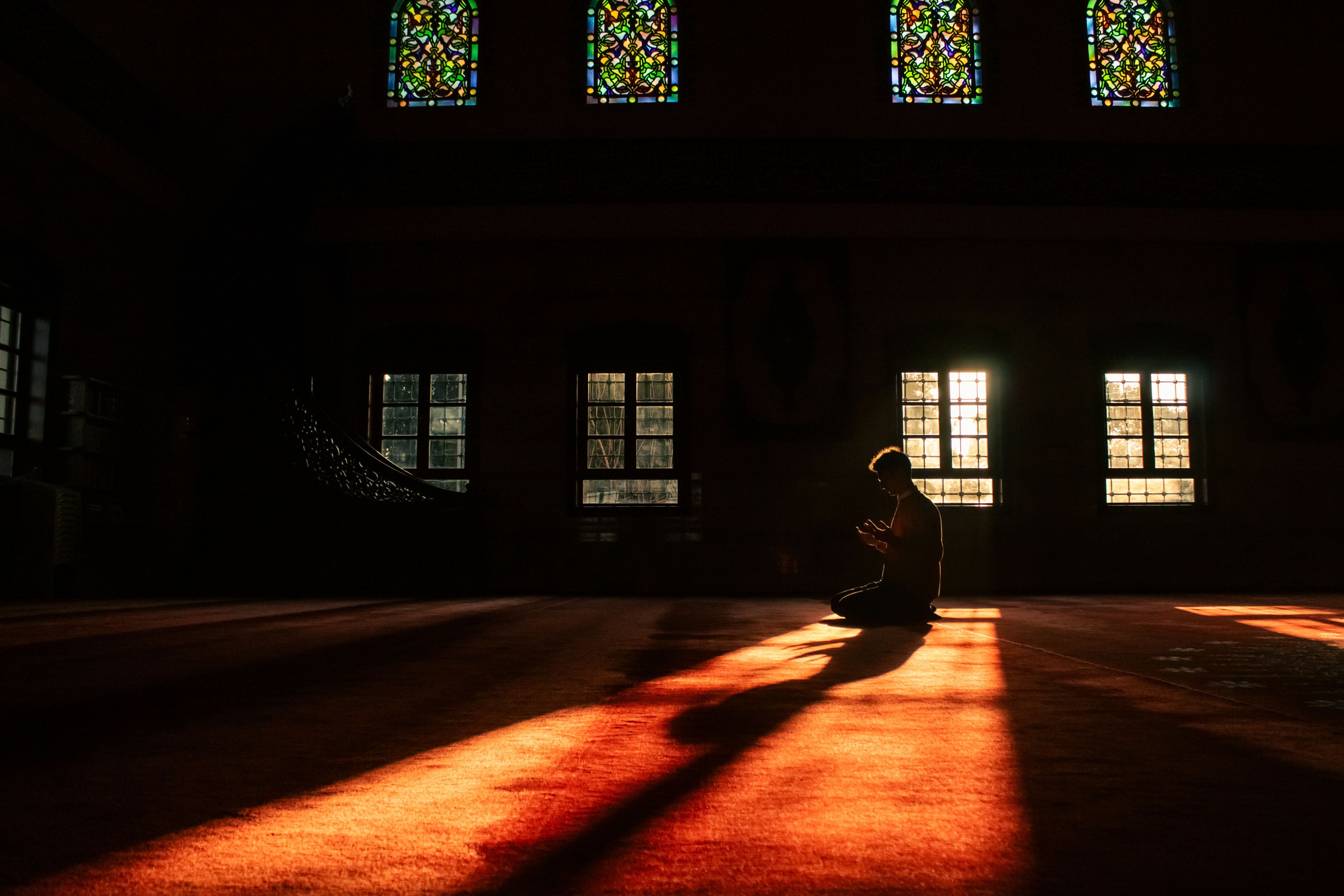
"Rabbanā afrigh 'alaynā ṣabran wa thabbit aqdāmanā…" (Quran 2:250) is the dua a small group of believers made facing an army they had no right to match: asking for patience first, steadiness second, and victory last. It's for whenever what's being asked of you feels like more than you have.
Why This Dua Matters
There are moments in a life when what is being asked of you feels like more than you have. More patience than you thought you possessed. More steadiness than your circumstances seem to allow.
In those moments, the believer doesn't pretend otherwise. They ask. Long before us, a small group of believers stood in one of those moments, facing an army they had no right to match. Before they took a single step forward, they raised their hands and said what we are still saying today.
Three requests, in this order: patience first, steadiness second, victory last. They asked to endure before they asked to win.
The Dua in Arabic, Transliteration & Translation
Arabic
رَبَّنَا أَفْرِغْ عَلَيْنَا صَبْرًا وَثَبِّتْ أَقْدَامَنَا وَانصُرْنَا عَلَى الْقَوْمِ الْكَافِرِينَ
Transliteration
Rabbanā afrigh 'alaynā ṣabran wa thabbit aqdāmanā wanṣurnā 'alal-qawmil-kāfirīn.
“Our Lord, pour upon us patience and plant our feet firmly, and give us victory over the disbelieving people.”
How to Make This Dua Part of Your Week
When patience feels like something you've run out of
The word afrigh means to pour, to flood, to drench. Whatever your Goliath is this week, you are allowed to ask for that much.
When you need your feet to stay exactly where they are
Thabbit aqdāmanā: plant our feet firmly. Say this when you feel like walking away from something that deserves your presence.
When your giving is an act of solidarity, not surplus
Right now, there are believers facing their own impossible moments. Your sadaqah this Friday is one way to answer this dua on their behalf.
Frequently Asked Questions
What does "Rabbana afrigh alayna sabran" mean?
It means "Our Lord, pour upon us patience," the opening of a dua from Quran 2:250, made by the believers before an overwhelming battle, asking for patience, steadiness, then victory, in that order.
When should I say this dua?
Any time a situation asks more of you than you feel you have: a hard conversation, a difficult season, a challenge you didn't choose. It's a dua for enduring before winning.
Why does the dua ask for patience before victory?
Because the request is ordered deliberately: sabr (patience) and steadiness are the foundation victory is built on, not an afterthought to it. It teaches that enduring well matters as much as the outcome.